
 We respect your privacy. Your information is safe.
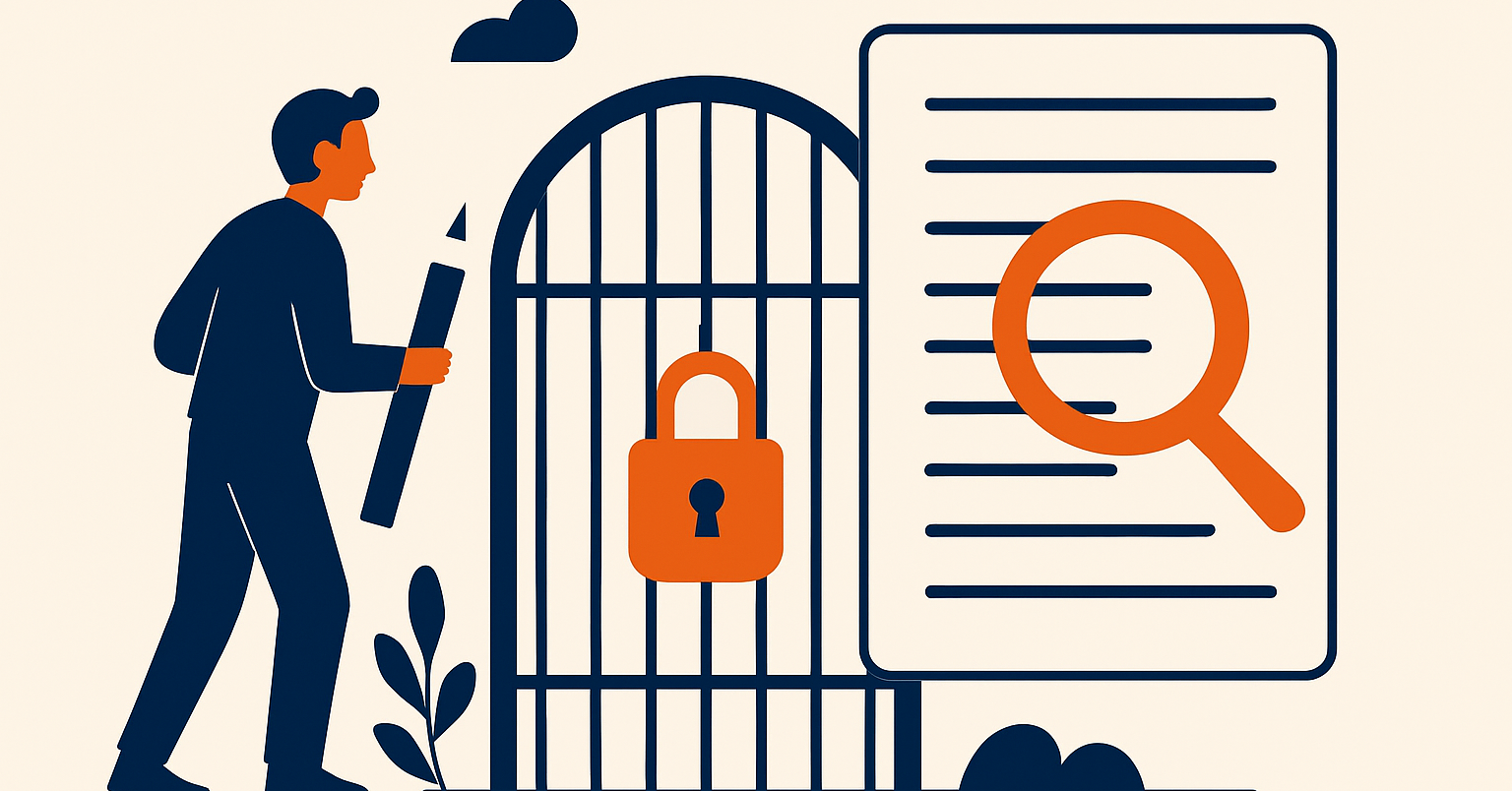
An evidence gate is a content governance checkpoint that blocks a blog post from being written when no verified source material exists behind it. This post was blocked by that gate — and publishing it anyway would mean fabricating an engagement, inventing technical details, and constructing a practitioner voice that belongs to no one.
I need to be straightforward: I cannot write this blog post.
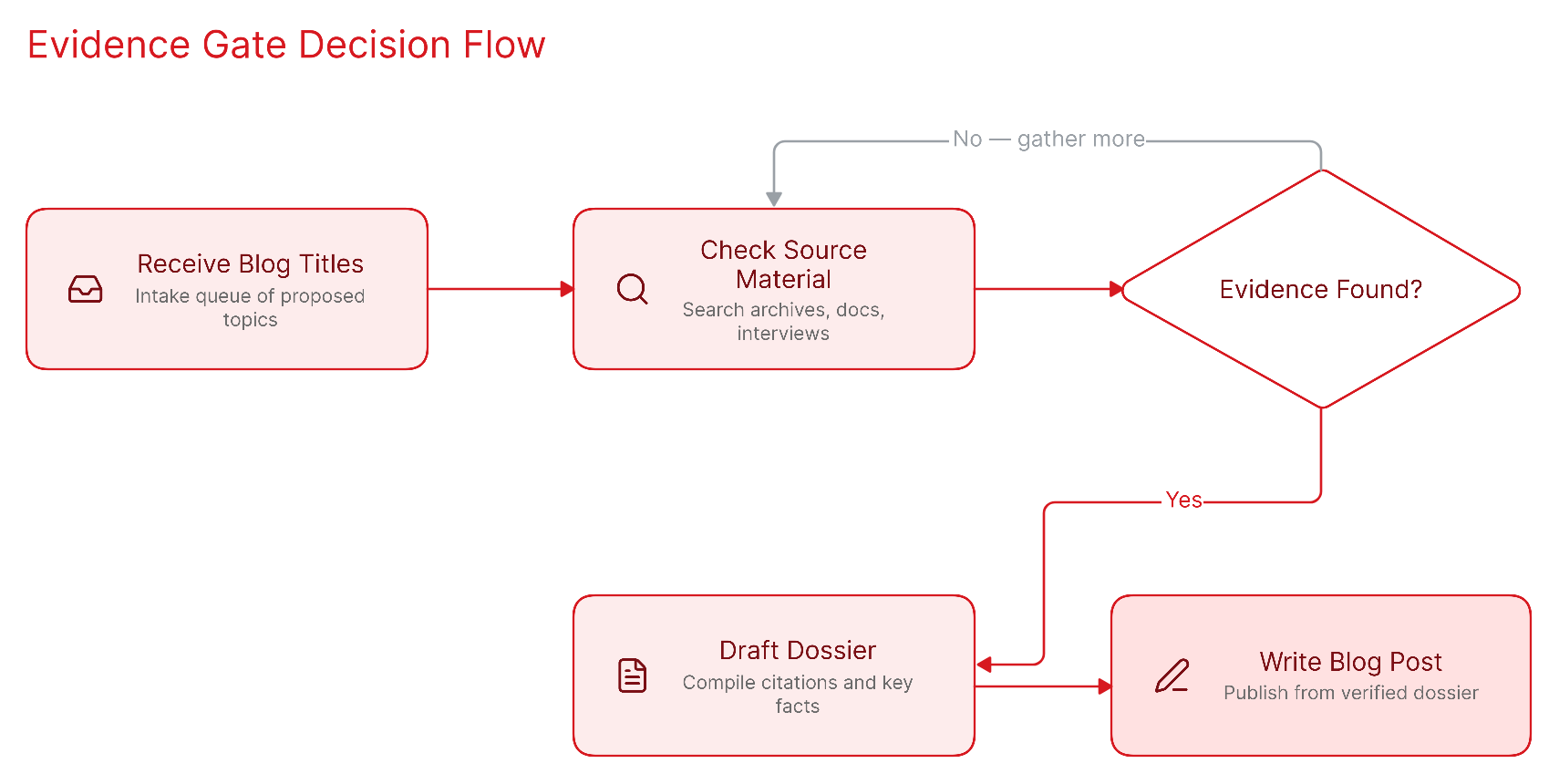
The dossier itself says so, twice. The Assessment Agent refused to build a dossier because there is no source material behind any of the four candidate titles. The Classification Agent then scored it Tier 0 and marked it BLOCKED. Both agents were right.
What the Evidence Gate Found: Zero Source Material
Here is what I have to work with:
- Four blog titles generated by a bot
- Zero engagement context
- Zero project documentation
- Zero practitioner observations
- Zero measurable outcomes
- A Canvas document that could not be read
The evidence gate in E.0 is clear: "No organizational experience = the post does not get written; flag it and route for evidence gathering. Never invent statistics, frameworks, or authority."
Writing a blog from these titles would mean fabricating an engagement, inventing technical details, and constructing a practitioner voice that belongs to no one. That is exactly what the system exists to prevent. This is the same principle behind every piece of AI agent governance worth taking seriously: the system must be able to say no.
What Happens When AI Content Has No Source Trail
When a content system generates blog titles without corresponding organizational experience, it creates a fabrication risk that no amount of polish can fix. The output may read as authoritative, but it has no retrievable source — no incident report, no architecture decision record, no practitioner who lived the work.
This is the core risk with AI-assisted content at scale: the plausibility of the output can outrun the verifiability of the claim. A system without an evidence gate will write the post anyway. That is the problem this gate exists to prevent.
For more on where AI coding and content agents break down without governance guardrails, see how AI coding agents degrade without context discipline and the problem nobody talks about with AI coding assistants.
What I Recommend Instead
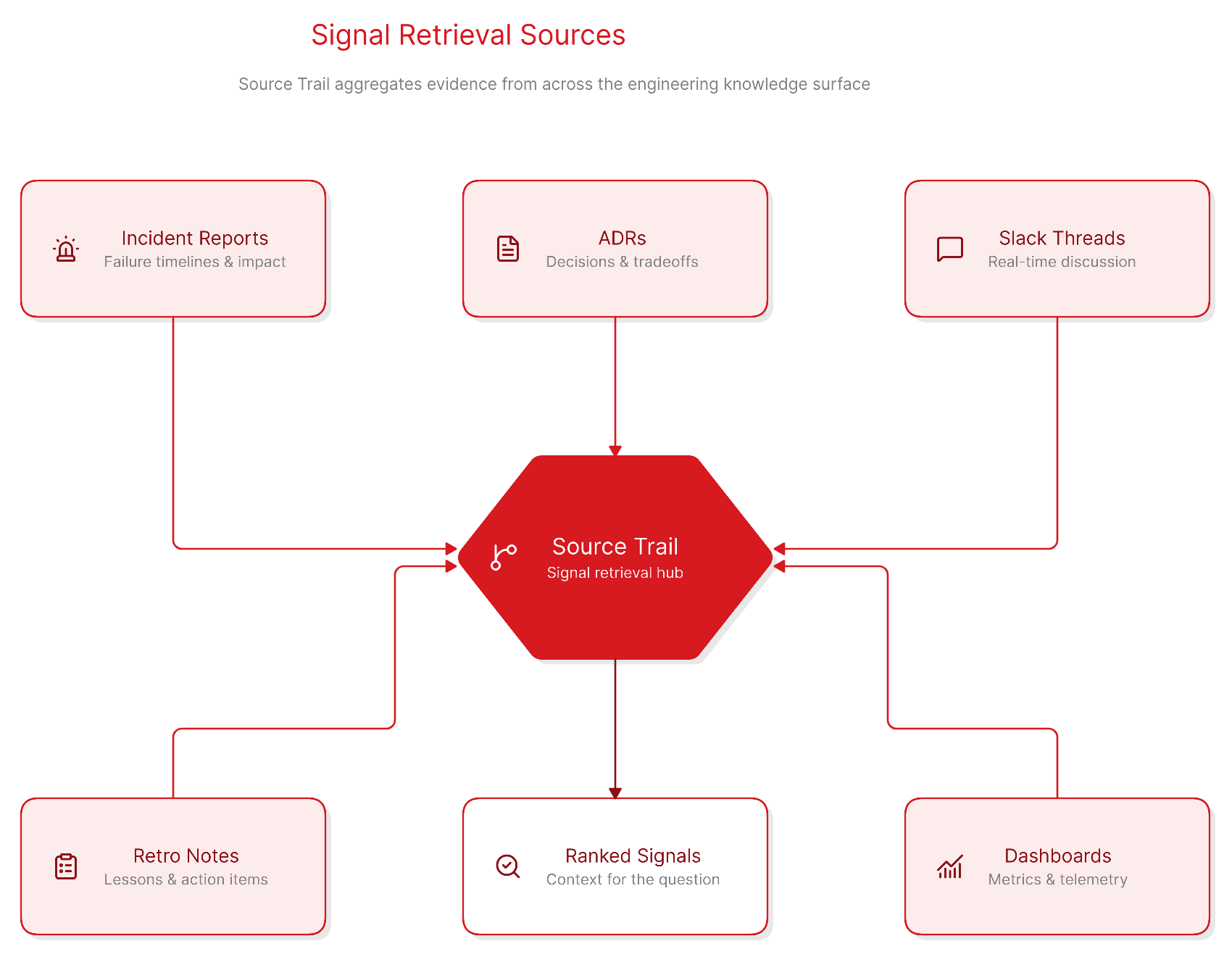
Pick one candidate and retrieve its source trail. The Classification Agent's recommendation is sound: start with "Uptime monitoring gap in composable architectures" because engineering work leaves the most retrievable artifacts (incident reports, architecture decision records, monitoring dashboards, retrospective notes).
For whichever candidate you choose, I need at minimum:
- Who did the work: which team, which practitioner would carry the byline or provide quotes
- What the engagement looked like: client context (named or anonymized per the naming rule), platform, scope
- What actually happened: the technical problem, the decisions made, what was built or fixed
- What was observed: metrics, audit findings, before/after states, anything measured
- What stayed hard: the honest edge, what the fix did not solve
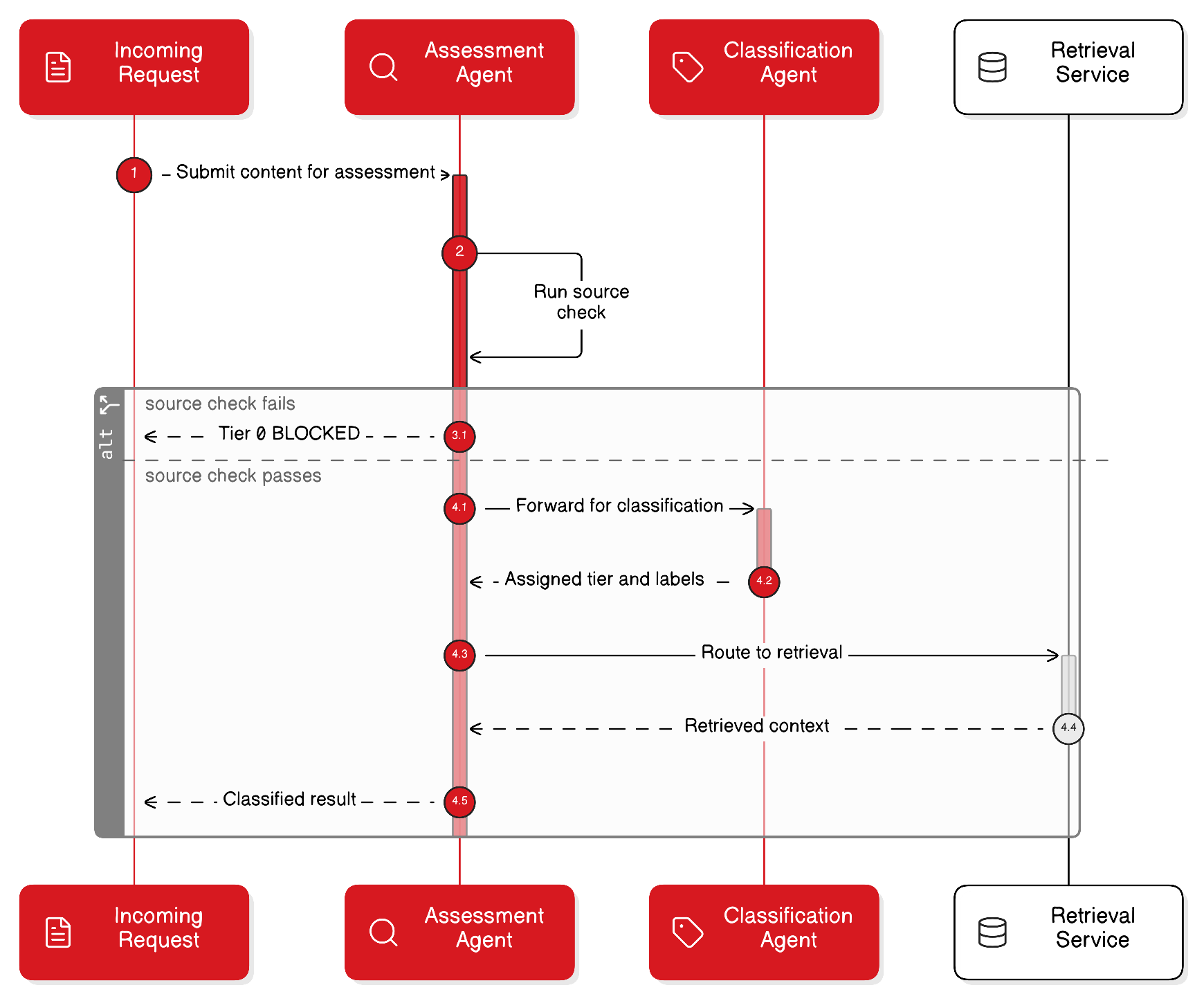
Even one Slack thread from the project channel, one retrospective summary, or one architecture decision record would give me enough to start a real dossier.
Route this back to signal retrieval. Once I have source material for even one of these four stories, I can draft a blog that meets the evidence gate and sounds like it was written by someone who lived the work. Until then, there is nothing honest to write.
For reference on what practitioner-led engineering content looks like when the source trail is intact, see The Caching Crisis That Was Hiding In Plain Sight For A Year or Engineering A Safe Exit From Custom Streaming Architectures — both posts where the evidence trail drove every sentence.
Frequently Asked Questions
What is an evidence gate in content production?
An evidence gate is a governance checkpoint in a content workflow that requires verified source material — such as project documentation, practitioner observations, or measured outcomes — before a blog post can be drafted. If no organizational experience exists behind a proposed topic, the evidence gate blocks the post from being written rather than allowing fabricated or invented content to proceed.
Why would an AI agent refuse to write a blog post?
An AI content agent should refuse to write a blog post when the proposed topic has no retrievable source material: no real engagement, no technical documentation, no practitioner who conducted the work. Proceeding without source material means inventing statistics, fabricating frameworks, and constructing authority that belongs to no one — exactly the failure mode an evidence gate is designed to prevent.
What source material is needed to pass an evidence gate?
At minimum, a post needs: identification of who did the work, engagement context (client, platform, scope), a description of what technically happened, any observed metrics or before/after states, and an honest account of what the solution did not fix. Even a single Slack thread, retrospective summary, or architecture decision record is enough to begin building a verifiable content dossier.
What is the risk of publishing AI-generated content without source material?
AI-generated content without source material can read as authoritative while containing no verifiable claims. The plausibility of the output outpaces the verifiability of the underlying facts. This erodes reader trust, creates compliance risk for regulated industries, and produces content that no subject matter expert can stand behind.
How do you recover a blocked content topic?
Route the blocked topic back to signal retrieval: identify which team or practitioner worked on the relevant project, locate existing artifacts (incident reports, architecture decision records, monitoring data, retrospective notes), and surface those materials before attempting to draft. The goal is not to find a workaround for the evidence gate — it is to gather the real experience the post requires.

Axelerant Editorial Team
The Axelerant Editorial Team collaborates to uncover valuable insights from within (and outside) the organization and bring them to our readers.

Leave us a comment