A DXP Transformation By Axelerant
University Of East London — Building A Modern Digital Experience Platform To Inspire, Inform, And Convert
Customer Offering
Education & Skill Development
Customer Industry
Higher Education
Solution Component
Drupal, Acquia


The Challenge
The university’s digital presence was content-rich but context-poor. Information was available, but not accessible. Prospective students couldn’t easily discover courses, researchers couldn’t amplify their work, and the brand’s digital identity lacked clarity and responsiveness.
The key challenges included:
- Disconnected digital touchpoints across admissions, research, and student services.
- Lack of personalization or dynamic content delivery for different audience segments.
- Manual workflows for course and funding updates, creating inefficiencies.
- Limited data-driven decision-making — marketing and content teams lacked unified analytics and behavioral insights.
- Accessibility shortfalls that fell below UEL’s inclusivity goals.
The objective was clear: transform UEL’s website into a composable DXP that connects experience, data, and activation — creating a platform as forward-thinking as the university itself.

The Solution
Axelerant’s approach began with qualitative research, user journey mapping, and stakeholder co-creation, evolving into a fully integrated digital experience platform architecture and conversion strategy.The engagement spanned experience design, data engineering, automation, and continuous measurement.
Qualitative Research and Journey Mapping — Understanding Human Context
We began with deep-dive research across UEL’s core audiences:
prospective students, current students, researchers, alumni, and faculty.
Through interviews, surveys, and analytics audits, we identified pain points and motivational drivers across key digital journeys:
- Prospective Students: Needed clear, emotionally engaging course discovery experiences — from aspiration to application.
- Researchers: Wanted better visibility for publications and collaborations.
- Current Students: Sought immediate access to academic and campus resources.
- Parents and Counselors: Needed clarity on funding, career outcomes, and university reputation.
Journey mapping revealed that users were dropping off between research and decision stages — overwhelmed by static, text-heavy pages and lack of guided pathways.
This insight became foundational:
Every audience needed a digital experience that not only informs but guides, reassures, and converts.
Experience Strategy — Designing for Clarity and Confidence
The design strategy centered on Digital Simplicity and Academic Confidence.
We redefined UEL’s digital experience through three guiding principles:
1. Purposeful Navigation: Simplified pathways to help users find relevant courses, research, or stories within two clicks.
2. Emotional Visual Language: Modern, inclusive imagery and clear typography conveying academic credibility without intimidation.
3. Progressive Disclosure: Contextual layering of information — showing users just enough to act, then offering depth for exploration.
The interface was not just redesigned; it was re-sequenced around journeys.
Students could now move fluidly from program discovery to funding details to application readiness, while researchers and partners found a narrative of innovation and collaboration.
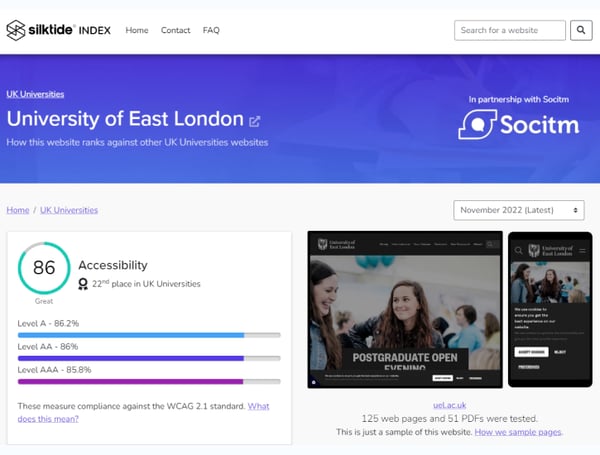
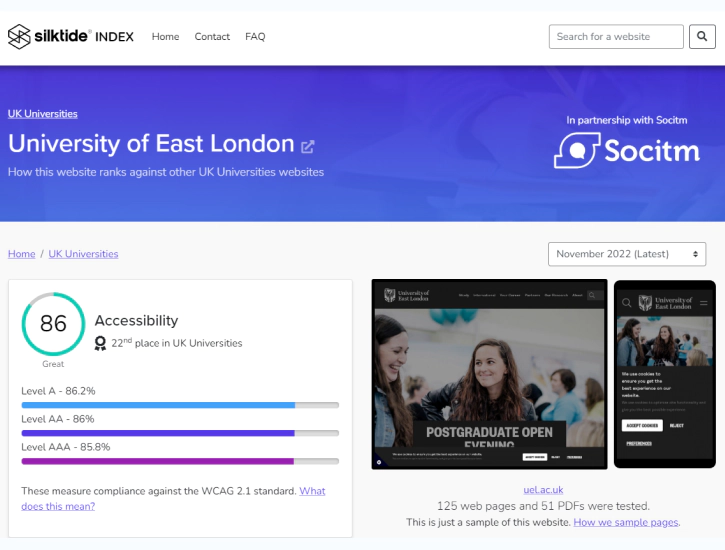
Accessibility exceeded WCAG 2.1 AA standards — achieving AAA compliance in critical sections to reinforce UEL’s inclusivity commitment.
DXP Architecture — Integrating Experience, Data, and Activation
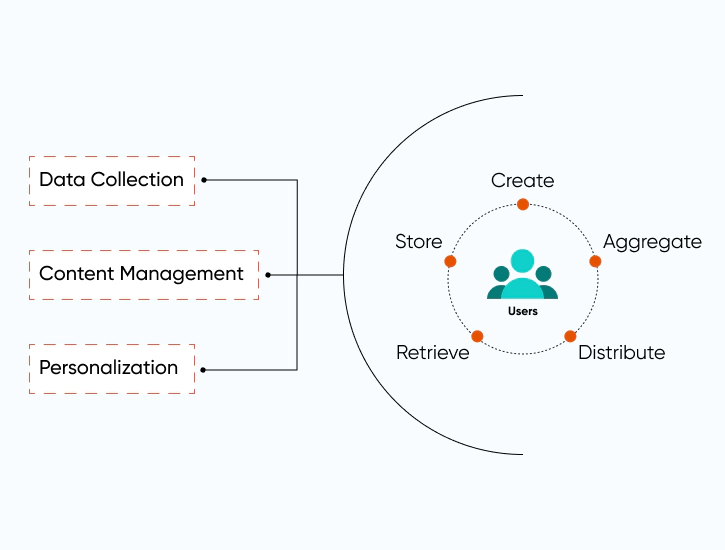
To deliver consistent, data-informed, and agile experiences, Axelerant built a Composable Digital Experience Platform (DXP) powered by Drupal at its core.
This architecture unified content, data, and marketing automation within a single intelligent layer.
Key elements included:
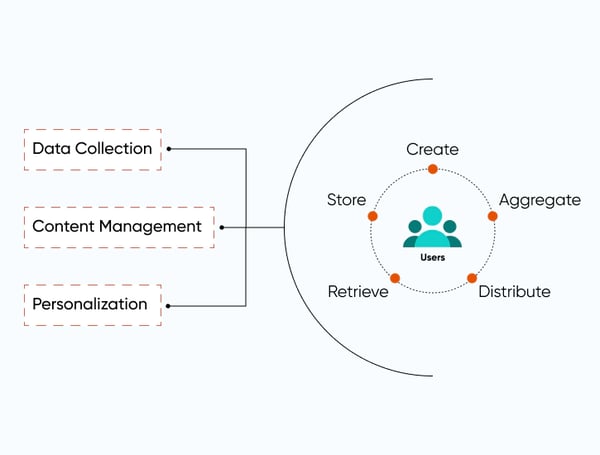
- Unified Data Layer: Combined analytics, CRM, and form data for 360° audience visibility.
- Content-as-a-Service (CaaS): Modular content blocks reused across course pages, blogs, and campaign landing pages for consistency and speed.
- Automation Frameworks: Automated updates for course data, fees, funding, and application deadlines — reducing manual maintenance.
- Integration Layer: Connected CRM (student inquiry data), analytics (behavioral tracking), and marketing automation tools (email journeys, re-engagement triggers).
- Performance Infrastructure: Delivered enterprise-grade speed, security, and scalability for global audiences
The result was a dynamic digital ecosystem that merged storytelling and system intelligence — powering UEL’s evolution from a static site to a responsive, data-aware experience hub.
Activation and Conversion Strategy — From Awareness to Application
Once the experience and data layers were unified, we developed a conversion strategy anchored in measurable outcomes — from lead generation to content performance.
The focus shifted from page views to journey success:
- Conversion Path Optimization: Streamlined course exploration and inquiry journeys — reducing click depth and friction.
- Micro-Conversion Mapping: Measured engagement with key signals such as course brochure downloads, open day registrations, and inquiry form completions.
- Personalization Logic: Introduced dynamic CTAs based on user behavior — e.g., returning visitors saw “Continue Your Application” instead of “Learn More.”
- Automated Nurture Journeys: Connected form submissions to marketing automation workflows, triggering relevant content and advisor follow-ups.
- Real-Time Analytics Dashboards: Visualized KPIs — from course interest to inquiry conversion — for continuous optimization.
Conversion was now a living feedback system, not a static metric — enabling marketing teams to experiment, learn, and refine continuously.

The Result
The new UEL digital experience was more than a website — it became a conversion-oriented experience platform uniting creativity, data, and automation.
Key Achievements:
- 73% increase in student applications and 32% increase in enrollments were achieved within two years, along with a 10–14% average rise in engagement across course offerings.
- 4% click-through rate for geo-targeted personalization and a 46% reduction in user exits indicate improved retention and success through targeted personalization strategies.
- 99.9% website uptime ensures consistent access and improved performance for users and administrators alike.
- 90% WCAG 2.1 AA compliance demonstrates strong progress toward global accessibility standards, ensuring the platform is inclusive and usable for all users.
- Significant increase in new user acquisition and engagement through structured content campaigns.
- Improved conversion rates on course inquiry forms and open day registrations.
- Cross-platform content reuse reduced operational overhead while maintaining brand consistency.
- Data-informed marketing through unified analytics and automation drove measurable ROI in student recruitment efforts.
But more than numbers, the platform reshaped UEL’s digital culture — from content maintenance to continuous optimization and experimentation.



Project Highlights
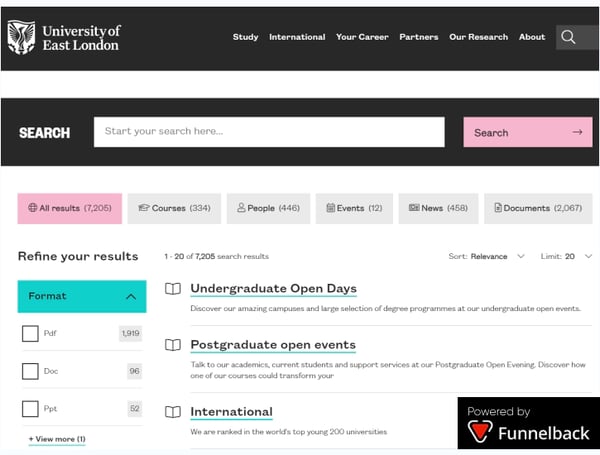
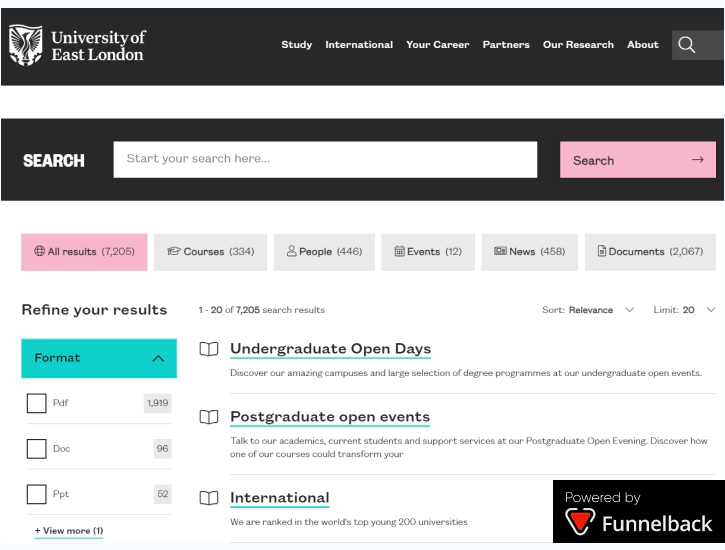
Using Funnelback to add instant customized search capability will be a game-changer for UEL and its users. It can help optimize the UX on all their digital properties through a solid machine learning-based site search for students, researchers, and employers.
It will help UEL integrate all its social channels, videos, events, directories, and the like.
This means that the search functionality can deliver exactly what the users (majorly students and research scholars) are looking for.
Using Funnelback to add instant customized search capability will be a game-changer for UEL and its users. It can help optimize the UX on all their digital properties through a solid machine learning-based site search for students, researchers, and employers.
It will help UEL integrate all its social channels, videos, events, directories, and the like.
This means that the search functionality can deliver exactly what the users (majorly students and research scholars) are looking for.
Let's Connect
Discover which Axelerant solutions can best accelerate your goals. Let’s explore how we can design, build, and grow together.